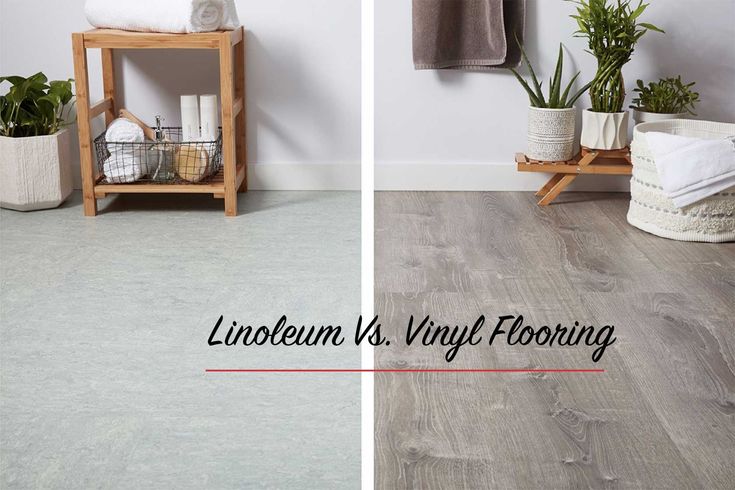
Vinyl vs Linoleum Flooring: A Comprehensive Comparison

When it comes to choosing the right flooring for your home or commercial space, two popular options are vinyl and linoleum. While both are resilient flooring materials, they have distinct differences in terms of composition, durability, maintenance, and environmental impact.
Composition and Manufacturing Process
Vinyl flooring is a synthetic material made from polyvinyl chloride (PVC) and other petrochemicals. It is manufactured using a variety of toxic chemicals, including phthalate plasticizers, which have raised concerns among environmentally conscious consumers. On the other hand, linoleum is a natural, biodegradable flooring option made from linseed oil, wood flour, and cork dust.
Appearance and Design Options
Vinyl flooring has a printed design layer beneath a clear surface wear layer, offering a wide range of colors, patterns, and images. Linoleum, being a solid material through and through, has its color and pattern dimensionally present throughout the entire thickness of the material, limiting design options but providing a more durable and long-lasting appearance.
Water and Heat Resistance
Vinyl flooring is generally more water-resistant than linoleum, making it a better choice for areas prone to moisture, such as bathrooms and kitchens. Linoleum, while water-resistant to some extent, requires periodic sealing to protect against liquid penetration. In terms of heat resistance, linoleum performs better than vinyl, as it can withstand high temperatures without melting or deforming.
Maintenance and Upkeep
Both vinyl and linoleum flooring are relatively easy to clean and maintain. However, linoleum requires periodic sealing to maintain its water resistance and appearance. Vinyl flooring, on the other hand, is generally low-maintenance and does not require sealing.
Durability
Linoleum is considered a more durable material than vinyl due to its solid construction. However, vinyl flooring has a tough protective wear layer that makes it resistant to scratches and damage.
Installation
Vinyl sheet flooring is generally easier to install than linoleum due to its flexible fiberglass backing. Linoleum, being a stiffer material, can be more challenging to work with in tight areas.
Environmental Impact
Linoleum is considered a more eco-friendly option due to its natural composition and biodegradability. Vinyl flooring, on the other hand, is made from non-renewable resources and can have negative environmental impacts during production and disposal.