Sports Flooring

Sports flooring refers to specialized floor coverings designed for use in sports facilities, schools, and activity areas. These flooring solutions are engineered to be durable, impact-resistant, and safe for athletes and participants, offering a blend of comfort, noise reduction, and aesthetic appeal
Types of Sports Flooring
Choosing the right sports flooring is crucial for both performance and safety, whether for indoor or outdoor use. The ideal flooring depends on the specific sport, the environment, and the budget.
Polyurethane Floors
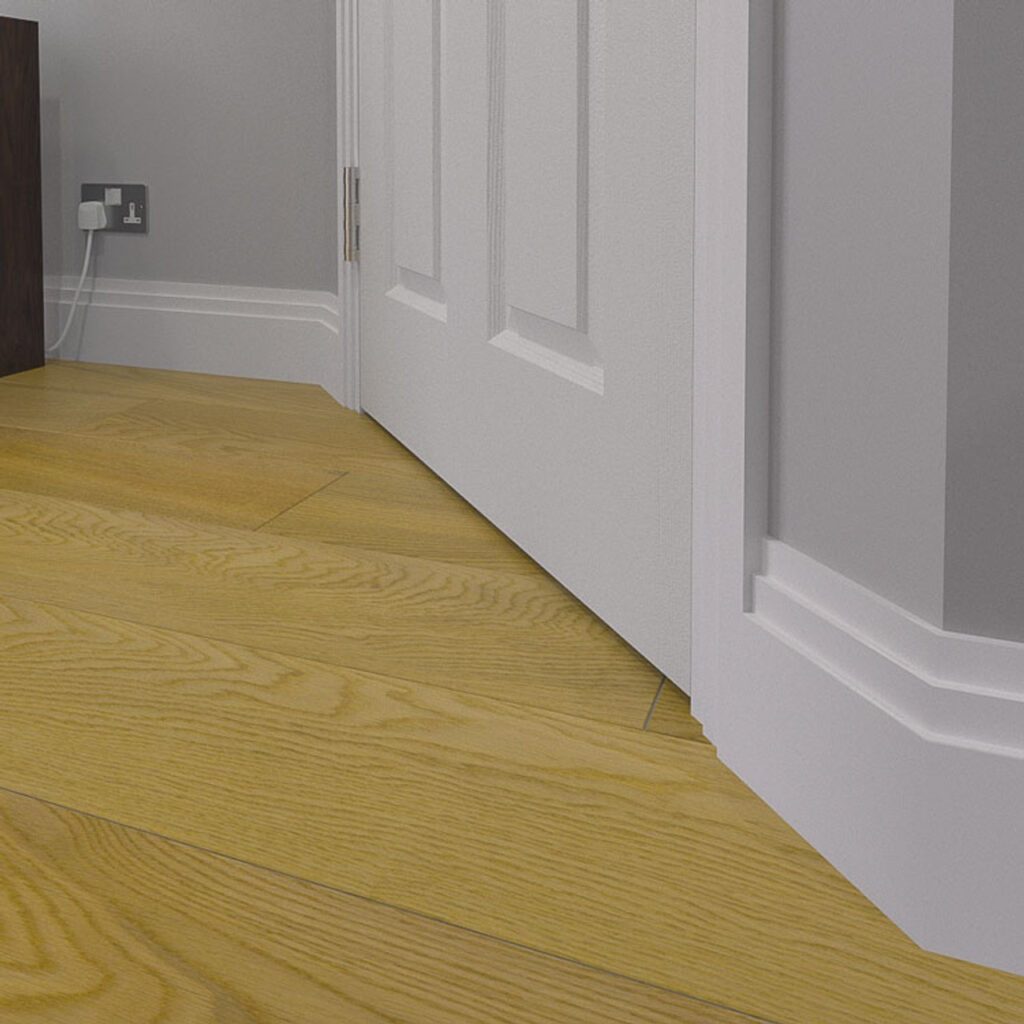
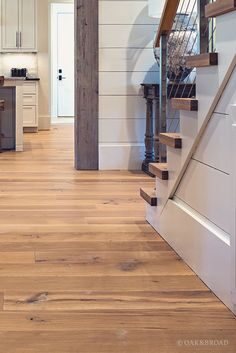
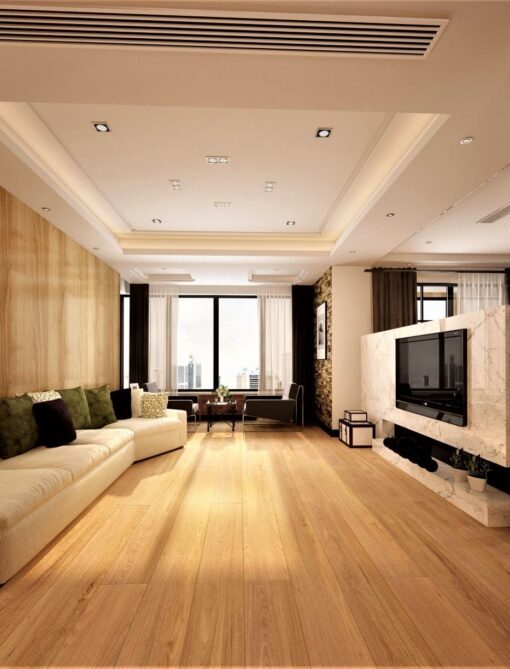
Timber Floors
Polyurethane floors are a premium option known for their durability and high performance, especially in indoor settings. They offer excellent shock absorption, minimizing injury risks, and provide a comfortable surface for athletes. They also feature a non-slip surface, which is crucial for player stability. However, the initial cost can be higher than other options.
Vinyl Floors
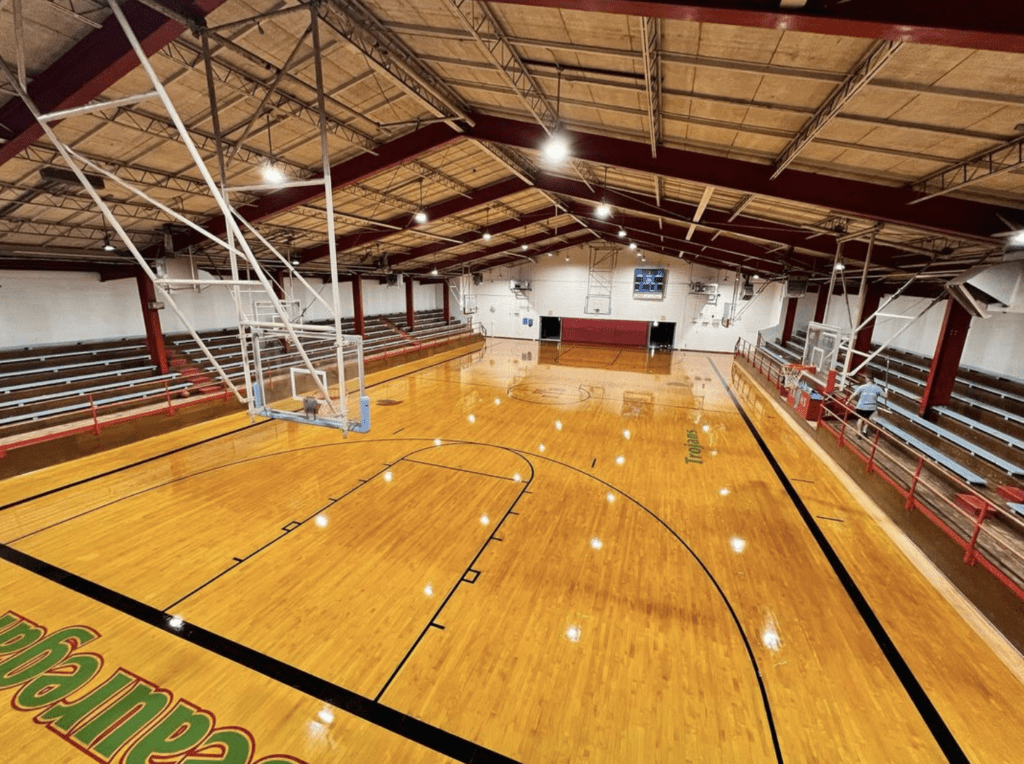
Timber floors provide a traditional and aesthetic appeal, often favored in sports like basketball. They offer a natural bounce and tactile feel, and are durable, built to endure heavy use. However, timber flooring requires considerable upkeep, including regular refinishing and resealing, and the initial installation and maintenance can be expensive.
Linoleum Floors
Vinyl flooring is a versatile and economical choice, offering a broad spectrum of styles and colors. It’s known for its ease of installation, making it a practical choice. While durable, vinyl may not match the performance or longevity of polyurethane or timber alternatives. Vinyl is well-suited for indoor gym floors and multi-purpose sports courts where cost-effectiveness and adaptability are priorities.
Rubber Sport Flooring
Linoleum flooring is an eco-friendly and versatile option made from natural materials. It’s highly durable and easy to clean and maintain. However, it may not provide the same level of cushioning and shock absorption as other flooring options, and it has fewer customization options compared to vinyl or polyurethane.
Sports flooring offers several key features and benefits, regardless of the material. These include:
Features and Benefits of Sports Flooring
Rubber flooring is favored in sports and gym environments for its excellent shock absorption qualities, making it suitable for high-impact activities. It also features a slip-resistant surface and is durable. However, the initial costs are higher compared to vinyl and linoleum, and it may not offer the same aesthetic qualities as timber or polyurethane floors.
Court Flooring Options
- Durability: Flooring must withstand heavy use and the demands of various sports.
- Shock Absorption: This minimizes the risk of injuries by absorbing impact.
- Traction: Provides athletes with reliable footing.
- Easy Installation: Many options, such as interlocking tiles, are designed for easy DIY installation.
- Easy Maintenance: Flooring should be easy to clean and maintain.
- Customization: Options for colors, patterns, and court lines are available.
Court flooring can be customized to fit specific needs, with options for individual tiles or pre-made court kits. Court tiles allow for precise sizing, while pre-made kits offer convenience for standard court sizes like basketball, shuffleboard, pickleball, and tennis.
Sports flooring can be used in various locations, including:
Where to Use Sports Flooring
The most relevant answer part is: Court flooring options include court tiles, which give the ability to order the exact number of tiles needed to fit the space, and pre-made court kits, which come with the exact amount of tiles needed for a full or half-sized court, without calculating the right number yourself.
Several factors should be considered when selecting sports flooring:
Factors to Consider When Choosing Sports Flooring
- Gymnasiums and multipurpose rooms.
- Schools and athletic facilities.
- Outdoor asphalt or concrete slabs.
- Backyards and playgrounds.
Additional Considerations
- Elasticity and Shock Absorption: Essential for minimizing injury risks.
- Safety: Slip resistance is critical.
- Cost: Budget plays a crucial role, with options ranging from economical to premium.
- Durability: Choose flooring that can withstand the demands of the sport and usage.
- Customization: Consider the aesthetic of the court and available customization options.
- Indoor vs. Outdoor: Outdoor tiles are often vented for water drainage and fade-resistant, while indoor tiles are solid.
- Multi-Purpose Courts: Flooring can be designed for multiple sports.
- Installation: Interlocking tiles and planks offer easy, DIY installation.